-
Exploring Atmospheric Nuclear Tests
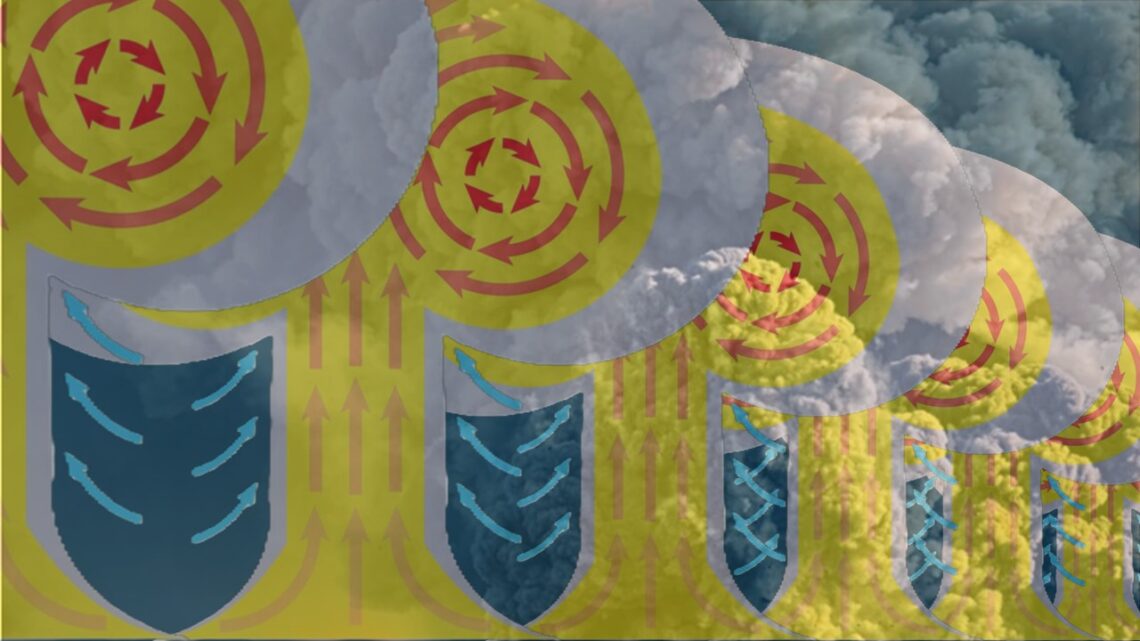
Radionuclides released by nuclear test are still widely abundant in the environment and biosphere. Most releases were caused by the nuclear atmospheric test. The last one was conducted by the People’s Republic of China on October 16, 1980. It was the last known atmospheric detonation before the Comprehensive Nuclear-Test-Ban Treaty (CTBT) was negotiated in from 1993 to 1996. With regard to limiting the environmental releases of radioactivity, the major landmark was the Partial Test Ban Treaty (PTBT) of 1963. which bans tests in the atmosphere, outer space, and underwater. On August 5, 1963, the PTBT was signed by the three original Depositary Governments, the Union of Soviet Socialist Republics (USSR),…
-
Record Tritium Production for Nuclear Weapons
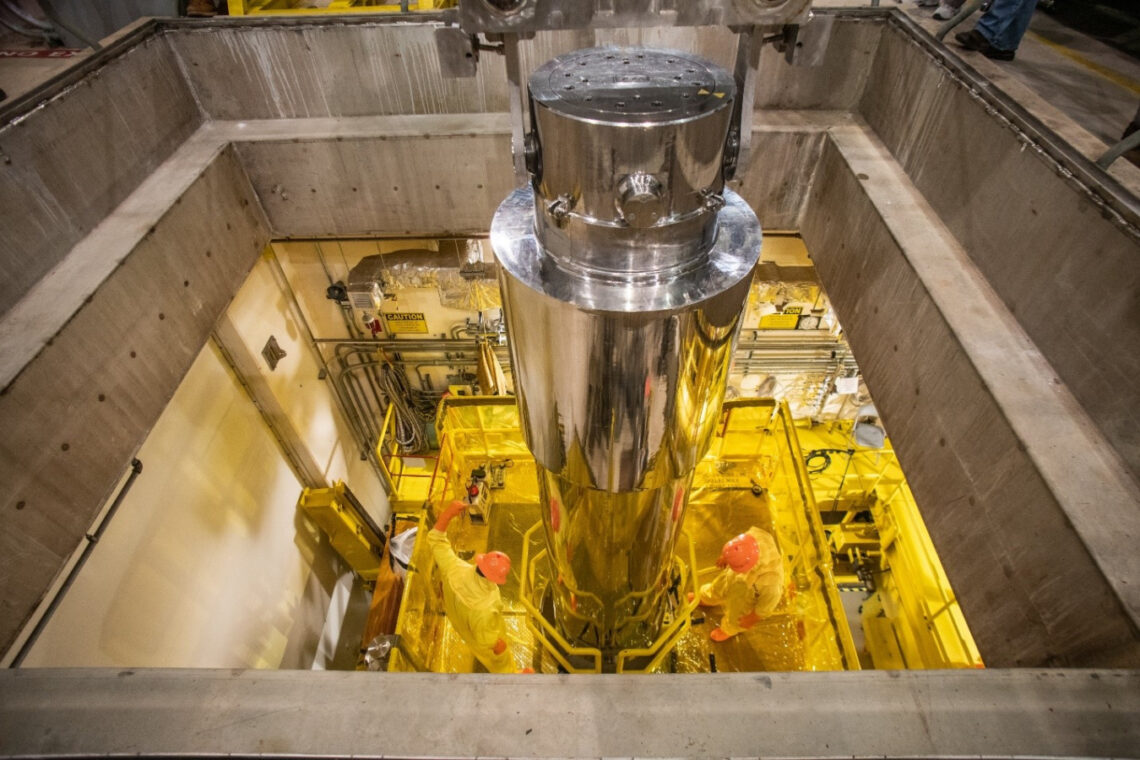
In January 2026, the US National Nuclear Security Administration (NNSA) announced the achievement of a significant milestone in completing a record amount of tritium produced for nuclear weapons. Tritium is used in nuclear weapons to boost the yield of the fission material of the primary stage. A mixture of tritium and deuterium gas is injected into the pit just before the nuclear chain reaction starts. Fission energy causes tritium and deuterium to fuse and create additional neutrons. Due to its 12.3-year half-life, tritium decays radioactively at the rate of 5.5 percent each year and must be replenished periodically in the warhead’s reservoir. Therefore, tritium needs to be produced unless stocks…
-
UN Job Trends: From Expansion to Transformation
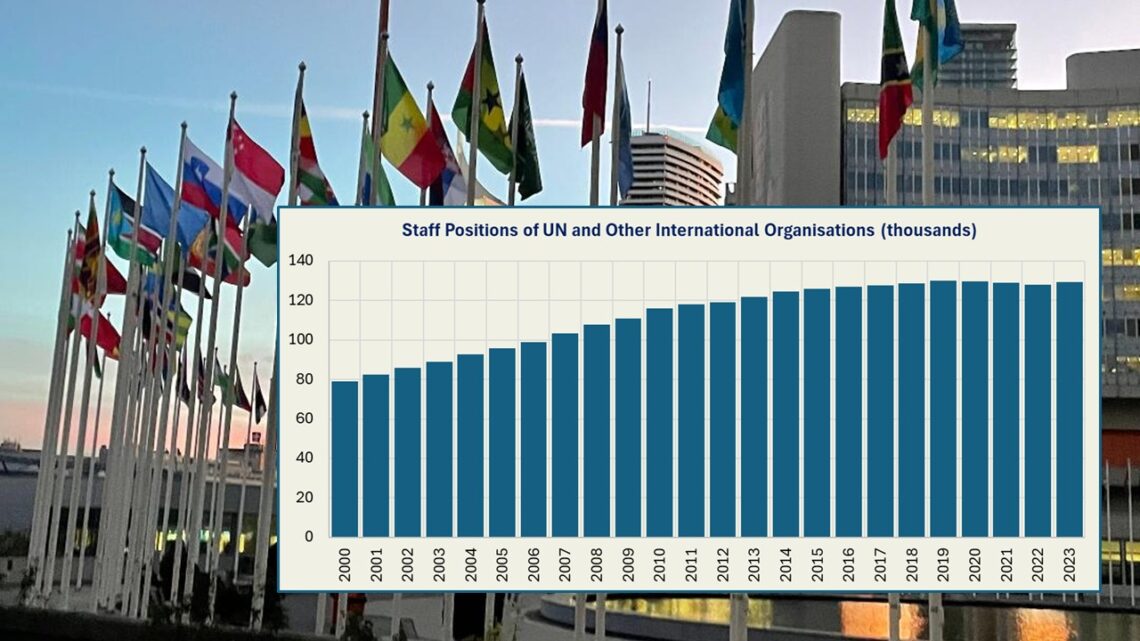
Since 2000, the timeline histogram clearly illustrates the significant expansion of the UN’s institutional workforce in the early 21st century and its subsequent stabilization into a large, complex system of around 130,000 core international and nationally recruited staff. How will it change in future? There are two phases: The current situation is characterized by three driving forces: Future Trends & Projections For a job seeker, this means: * Focus on acquiring the “future skills” highlighted in UN strategy documents. * Understand that securing a permanent (fixed-term) contract is becoming more competitive, while opportunities for specialized, short-term consultancies may grow in specific high-demand fields. * Be prepared for field experience and…
You May Also Like
Call for Application: African Atomic Policy Lab (AAPL)
-
Welcome to our homepage
We are proud to announce the official launch of the homepage of Peace Science Collaboration with the URL https://peacescience.net. This network was founded by Martin B. Kalinowski in 2025 and had its first appearance at the CTBT: Science and Technology Conference 2025 in Vienna, Austria. We invite you to consider joining our activities and benefit from our services. Please browse our new site and find out what we offer:
-
Call for Application: African Atomic Policy Lab (AAPL)
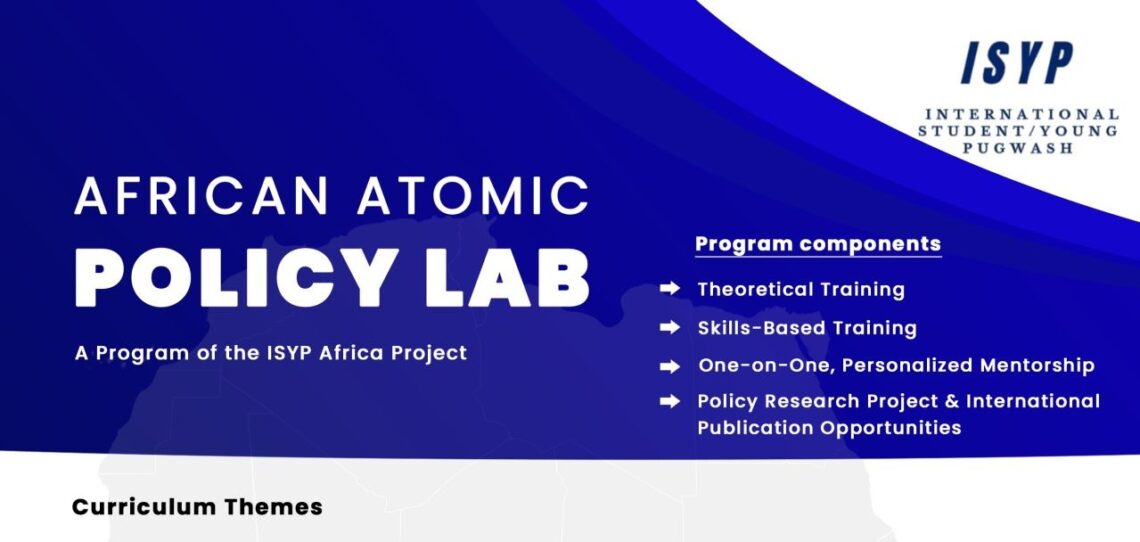
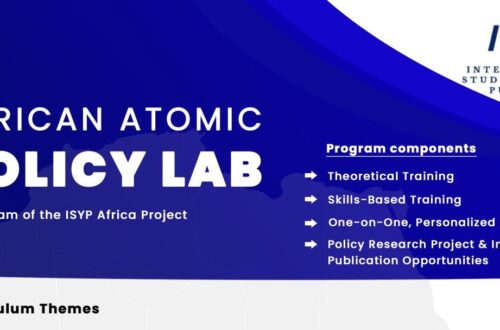
The AAPL is a 7-month program designed to develop the next generation of African nuclear policy experts and amplify African leadership in global nuclear and security policy debates. It is organized by the International Student/Young Pugwash (ISYP) Africa Project. Learn more and apply by 20 January 2026: https://isyp.org/african-atomic-policy-lab-aapl/ ✨Benefits:✔️ Advanced training from a distinguished international faculty✔️ Personalized, one-on-one mentorship from senior policy experts✔️ Produce original, actionable policy paper disseminated to global policymakers and international institutions✔️ Potential for international publication with Bulletin of the Atomic Scientists, European Leadership Network, and Inkstick Media✔️ Support to engage in international conferences and policy forums✔️ Membership in the African Atomic Voices Network✔️ An official certificate of…
You May Also Like
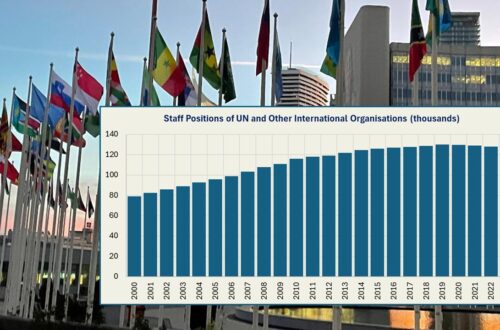
UN Job Trends: From Expansion to Transformation
-
How to do the Decay Correction Properly
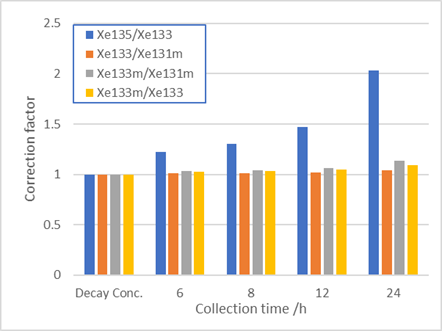
Our paper examines isotopic activity ratios of radionuclides detected at radionuclide stations within the International Monitoring System (IMS) for the Comprehensive Nuclear-Test-Ban Treaty (CTBT). We focus on characterizing release events from underground nuclear explosions by analyzing radionuclide concentrations in air plumes sampled by IMS stations. The study investigates decay correction during sampling, using two approaches: interval constant concentration and decaying concentration. Our findings highlight the impact of these methods on isotopic activity ratios, particularly for radionuclides with short half-lives. Read the full paper here: https://www.doi.org/10.1007/s00024-025-03716-z
-
Third PAGEOPH Topical Issue on Nuclear Explosion Monitoring and Verification
The 2025 topical issue of Pure and Applied Geophysics (PAGEOPH) is the third iteration of the “Nuclear Explosion Monitoring and Verification” series. The first topical issue subtitled “Scientific and Technological Advances” appeared as volume 178 issue 7/2021 and highlighted presentations made at the CTBT: Science and Technology 2019 Conference (SnT2019). The second one with subtitle “Innovation in technology and scientific methods” followed SnT2021 and was publish as volume 180 issue 4/2023. The third topical issue aims at pursuing the trend to gather the latest technological and scientific advances and innovations in nuclear explosion monitoring and verification into a single repository. Papers on selected presenters at the CTBT: Science and Technology…
-
Spent Nuclear Fuel Reprocessing as a Source of Radioxenon
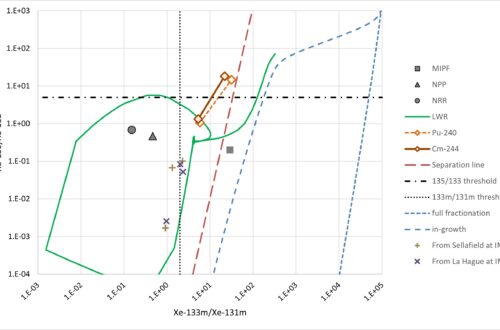
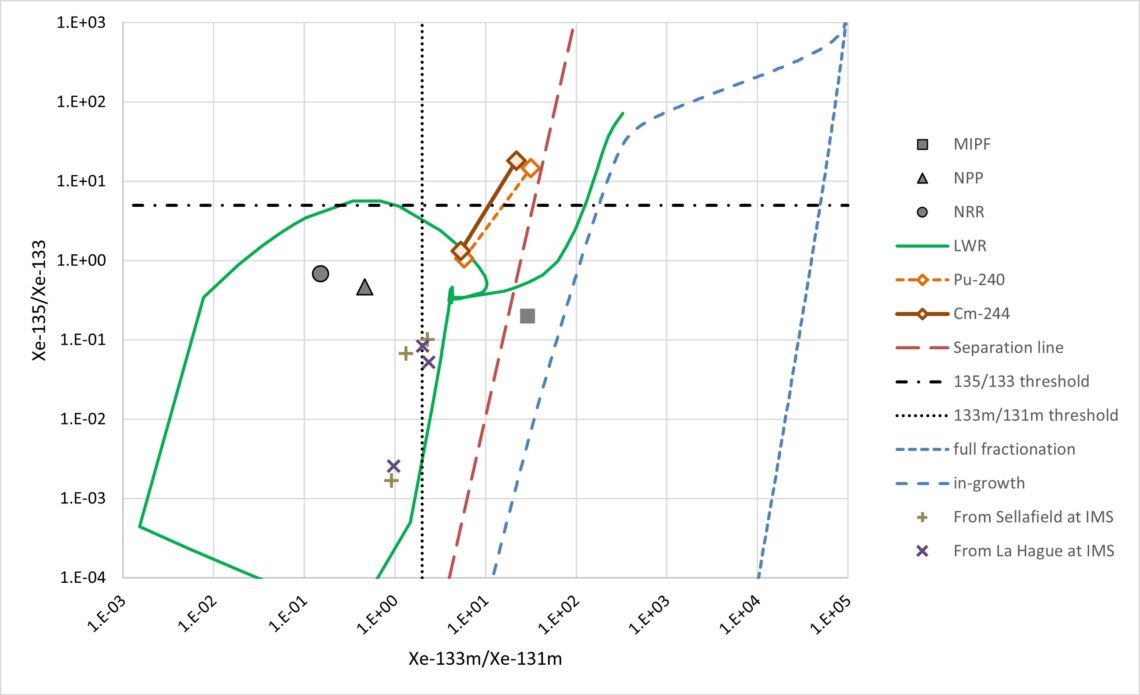
What about radioxenon discharges from Spent Nuclear Fuel (SNF) reprocessing plants? Do these emissions cause a background in the atmosphere that may be detected by noble gas systems of the International Monitoring System (IMS) operated by the Comprehensive Nuclear-Test-Ban Treaty Organization (CTBTO) for nuclear explosion monitoring? This type of nuclear facilities has not been investigated before. But we did it. Thanks to an excellent team of co-authors: Tatiana Boitsova, Jolanta Kusmierczyk Michulec & Carla Maria Salgueiro Pires Winter. It is a great pleasure working with you. Take a look at our article: https://www.doi.org/10.1007/s00024-025-03691-5
-
Radionuclides Associated with Historic Nuclear Tests
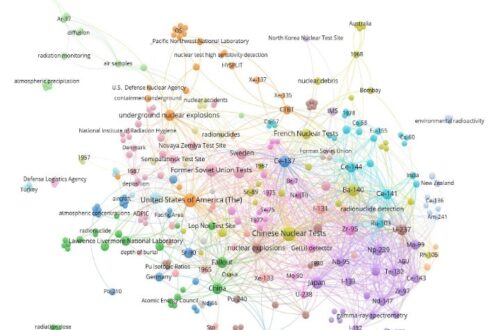
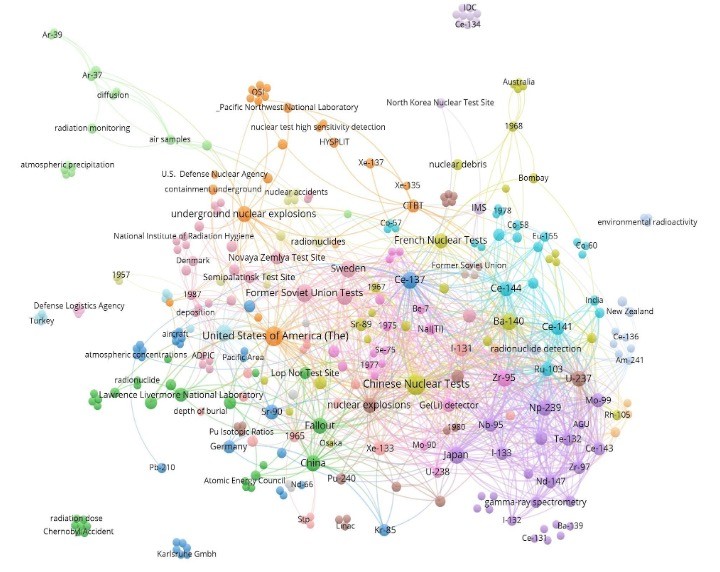
Our literature review on historic atmospheric radionuclide monitoring data associated with nuclear explosions is eventually published. It covers reports on tests conducted by four countries between 1964 and 1996 and those related to the six announced nuclear tests of the Democratic People’s Republic of Korea between 2006 and 2017. Most of these nuclear explosions occurred in the atmosphere, but observation of nuclear debris from the venting of underground nuclear tests was also found. The review is limited to off-site monitoring. Many observations were done at large distances, including several nuclear explosions detected in multiple locations, generally in the same hemisphere. The measurement methods developed over time, and many different fission…