-
New Era for Tritium Trade
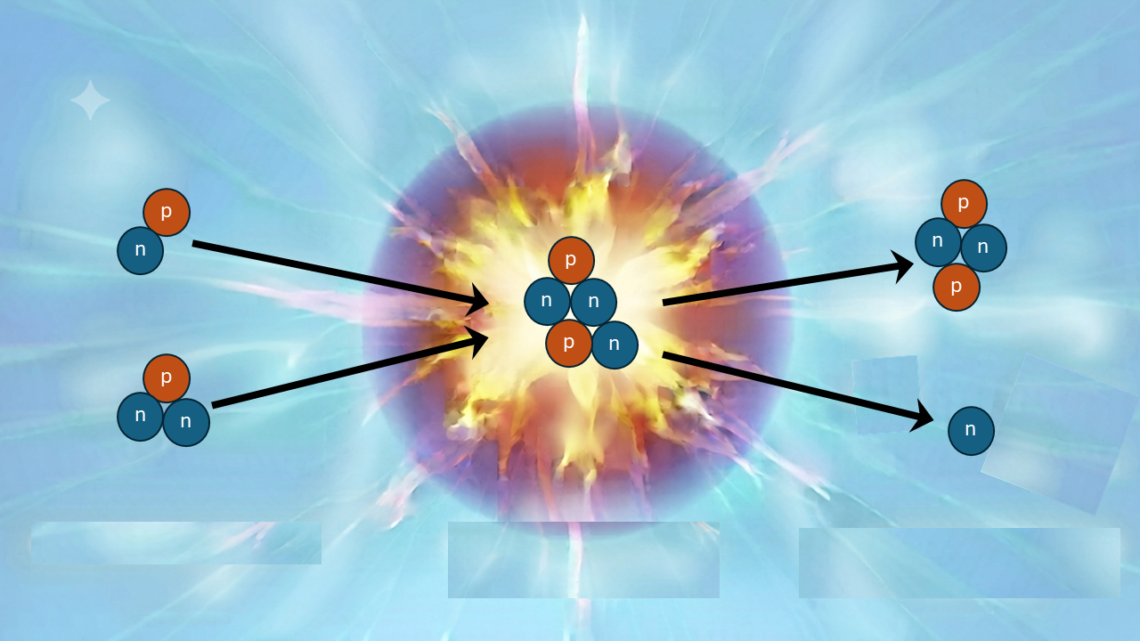
From Untapped Stocks to High Production Driven by Fusion Startups. For decades, the global tritium market has been a quiet, almost invisible niche. Civilian demand remained at a few hundred grams per year, supplied mainly by Canada’s heavy‑water reactors. Fusion startups are now poised to change this landscape entirely. The world is entering a period in which tritium demand will increase by two orders of magnitude. Decades‑old civilian stocks will be drawn down, and new production capacity will be required to support the emerging fusion industry. This post summarizes key findings and expands on themes previously discussed on the Tritium Matters Working Group (TMWG) homepage. Fusion startups: the new drivers…
-
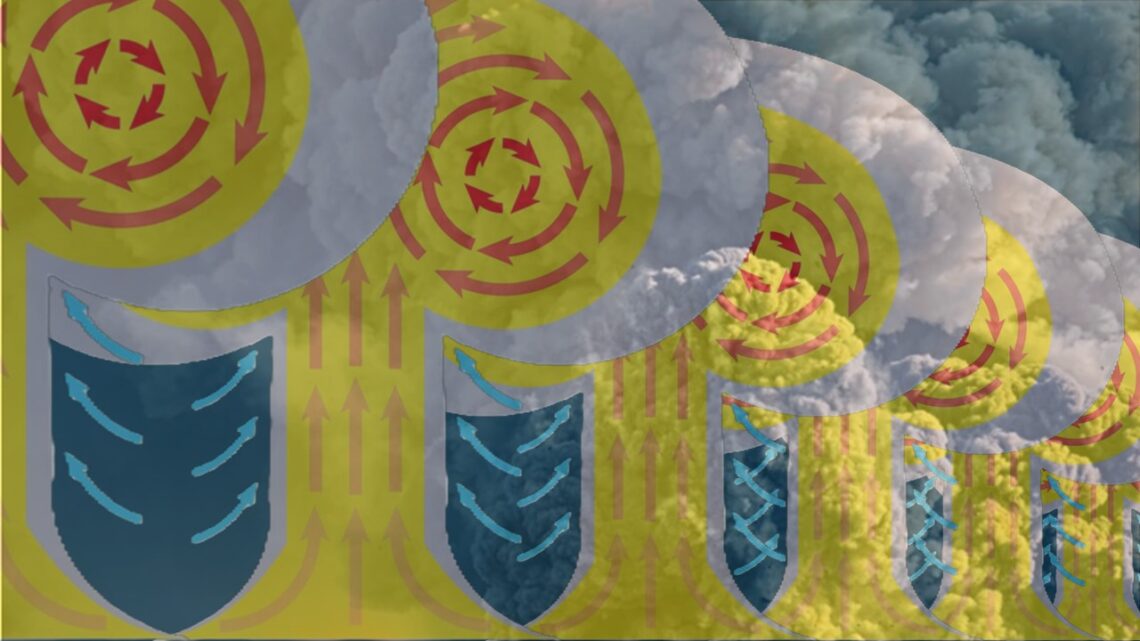
Borders in the Sky: How Radioactive Venting Tested the Limited Test Ban Treaty
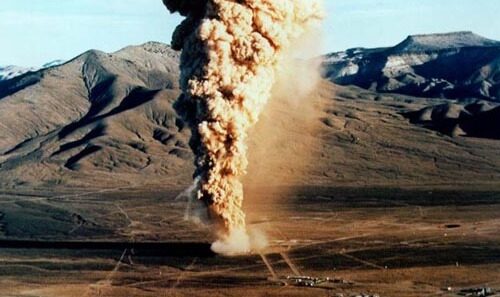
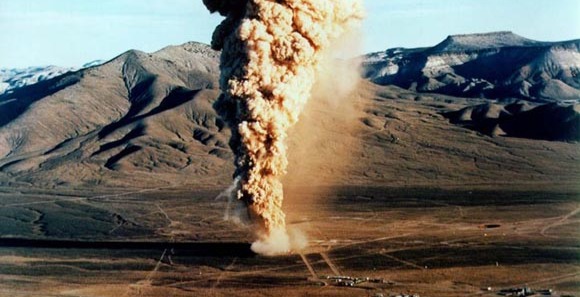
Introduction The 1963 Limited Test Ban Treaty (LTBT) marked a historic milestone in international arms control, seeking to curb environmental fallout by forcing nuclear testing underground. However, early underground programs demonstrated that preventing volatile radionuclides from crossing national borders was far more technically complex than treaty signatories had anticipated. Key Facts: Limited Test Ban Treaty (LTBT) Transboundary Venting and Early Treaty Compliance Underground cratering experiments and containment failures repeatedly challenged the practical boundaries of LTBT compliance. As documented in comprehensive reviews of historic remote atmospheric radionuclide monitoring, nuclear debris from underground test venting and atmospheric releases was frequently observed in multiple countries across the whole hemisphere (Kalinowski & Trillo, 2025).…
-
International Control Converges on Fusion Energy Startups
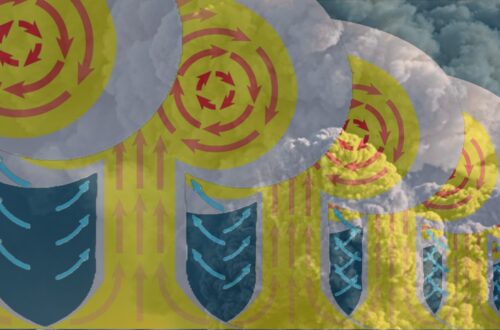
International control of fusion technologies is not as prominently spotlighted as that of fission reactor technologies—but that does not mean it is irrelevant. Compliance procedures for fusion reactors are generally more straightforward than for fission-based nuclear power plants. However, fusion ventures are entering new regulatory terrain, which introduces uncertainty. Meeting international obligations will need to be demonstrated in national licensing applications. Key Areas of Regulatory Attention 1) IAEA Nuclear Safeguards Fusion reactors do not fall under International Atomic Energy Agency (IAEA) nuclear safeguards per se, as they do not use uranium or plutonium. Although lithium-6 and tritium are technically usable in nuclear weapons, they lie outside the scope of traditional…
You May Also Like
Record Tritium Production for Nuclear Weapons
-
Global inventory of Cs-137 from nuclear tests
The total activity of 137Cs discharged into the atmosphere by all 535 atmospheric nuclear explosions was around 1018 Bq. This is much more than from the Chernobyl and Fukushima accidents. For Fukushima, the amount of 137Cs released is estimated to be 1.2 × 10¹⁶ Bq and this is about 14% of the emission estimated for the Chernobyl accident (Steinhauser et al., 2014). Some of the 137Cs inventory in the environment has already decayed but the half-life of 30.04 years implies that a large portion persists. Today’s remaining ¹³⁷Cs inventory from atmospheric nuclear tests is on the order of 2–3 × 10¹⁷ Bq. A more precise estimate will be determined by a project…
-
Physicist at an international organisation
In 2003, I wrote an article in German reflecting on my first five years as a physicist working with an international organization in Vienna: the CTBTO. Its full name is the Provisional Technical Secretariat of the Preparatory Commission for the Comprehensive Nuclear-Test-Ban Treaty Organization (CTBTO). After completing my first term there, I returned to academia as a university professor and collaborated on a research project with the International Atomic Energy Agency (IAEA). Later, I rejoined the CTBTO and spent another twelve years contributing to its mission. Today, I work as a freelancer, helping to make nuclear science actionable for international peace and security, and supporting scientists as they grow and…
-
Exploring Atmospheric Nuclear Tests
Radionuclides released by nuclear test are still widely abundant in the environment and biosphere. Most releases were caused by the nuclear atmospheric test. The last one was conducted by the People’s Republic of China on October 16, 1980. It was the last known atmospheric detonation before the Comprehensive Nuclear-Test-Ban Treaty (CTBT) was negotiated in from 1993 to 1996. With regard to limiting the environmental releases of radioactivity, the major landmark was the Partial Test Ban Treaty (PTBT) of 1963. which bans tests in the atmosphere, outer space, and underwater. On August 5, 1963, the PTBT was signed by the three original Depositary Governments, the Union of Soviet Socialist Republics (USSR),…
-
Record Tritium Production for Nuclear Weapons
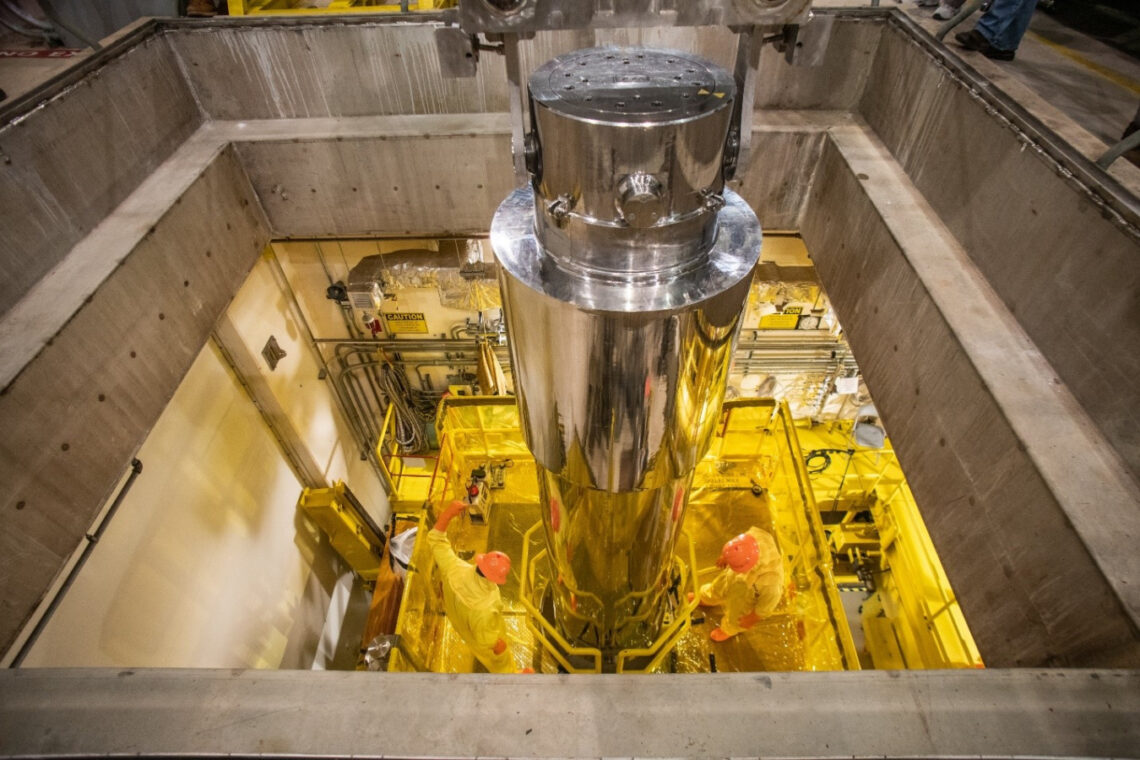
In January 2026, the US National Nuclear Security Administration (NNSA) announced the achievement of a significant milestone in completing a record amount of tritium produced for nuclear weapons. Tritium is used in nuclear weapons to boost the yield of the fission material of the primary stage. A mixture of tritium and deuterium gas is injected into the pit just before the nuclear chain reaction starts. Fission energy causes tritium and deuterium to fuse and create additional neutrons. Due to its 12.3-year half-life, tritium decays radioactively at the rate of 5.5 percent each year and must be replenished periodically in the warhead’s reservoir. Therefore, tritium needs to be produced unless stocks…
You May Also Like

International Control Converges on Fusion Energy Startups
-
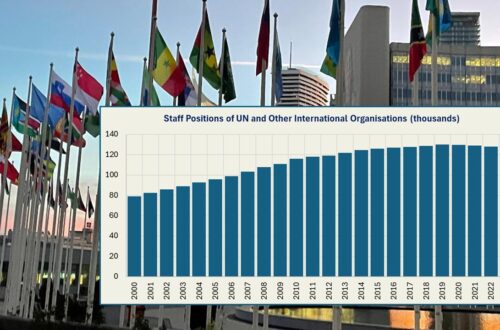
UN Job Trends: From Expansion to Transformation
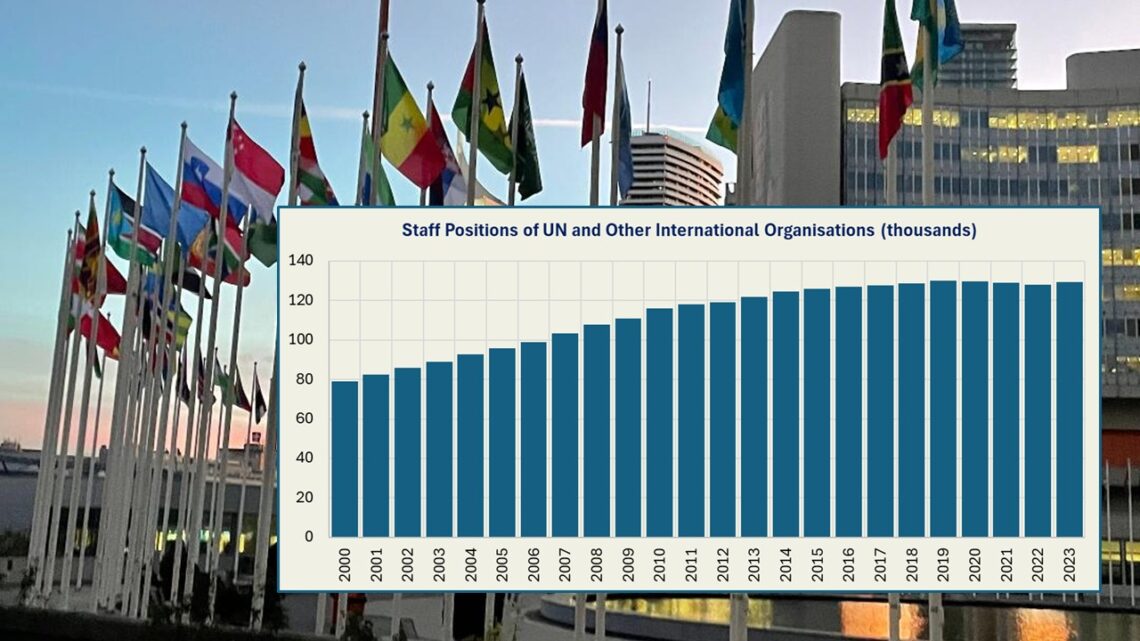
Since 2000, the timeline histogram clearly illustrates the significant expansion of the UN’s institutional workforce in the early 21st century and its subsequent stabilization into a large, complex system of around 130,000 core international and nationally recruited staff. How will it change in future? There are two phases: The current situation is characterized by three driving forces: Future Trends & Projections For a job seeker, this means: * Focus on acquiring the “future skills” highlighted in UN strategy documents. * Understand that securing a permanent (fixed-term) contract is becoming more competitive, while opportunities for specialized, short-term consultancies may grow in specific high-demand fields. * Be prepared for field experience and…
-
Welcome to our homepage
We are proud to announce the official launch of the homepage of Peace Science Collaboration with the URL https://peacescience.net. This network was founded by Martin B. Kalinowski in 2025 and had its first appearance at the CTBT: Science and Technology Conference 2025 in Vienna, Austria. We invite you to consider joining our activities and benefit from our services. Please browse our new site and find out what we offer:
-
Call for Application: African Atomic Policy Lab (AAPL)
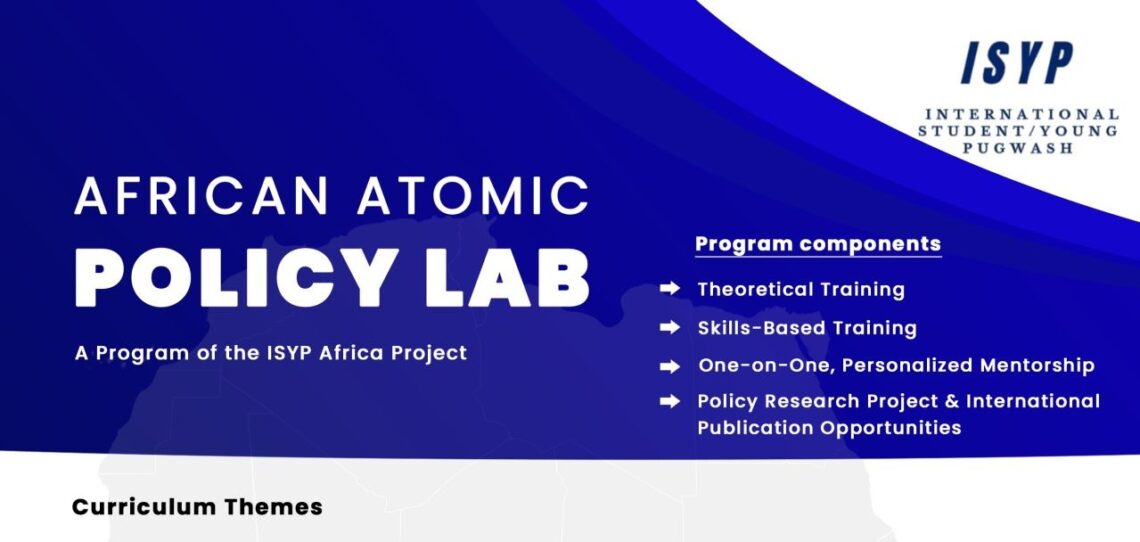
The AAPL is a 7-month program designed to develop the next generation of African nuclear policy experts and amplify African leadership in global nuclear and security policy debates. It is organized by the International Student/Young Pugwash (ISYP) Africa Project. Learn more and apply by 20 January 2026: https://isyp.org/african-atomic-policy-lab-aapl/ ✨Benefits:✔️ Advanced training from a distinguished international faculty✔️ Personalized, one-on-one mentorship from senior policy experts✔️ Produce original, actionable policy paper disseminated to global policymakers and international institutions✔️ Potential for international publication with Bulletin of the Atomic Scientists, European Leadership Network, and Inkstick Media✔️ Support to engage in international conferences and policy forums✔️ Membership in the African Atomic Voices Network✔️ An official certificate of…

Science for peace and international security