-
New Era for Tritium Trade
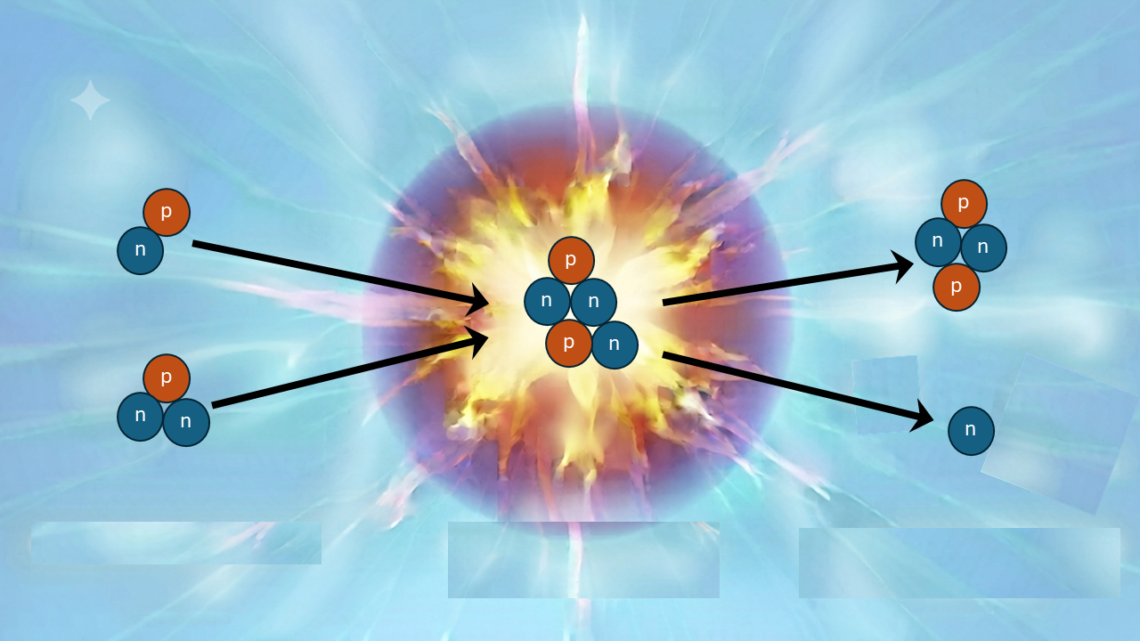
From Untapped Stocks to High Production Driven by Fusion Startups. For decades, the global tritium market has been a quiet, almost invisible niche. Civilian demand remained at a few hundred grams per year, supplied mainly by Canada’s heavy‑water reactors. Fusion startups are now poised to change this landscape entirely. The world is entering a period in which tritium demand will increase by two orders of magnitude. Decades‑old civilian stocks will be drawn down, and new production capacity will be required to support the emerging fusion industry. This post summarizes key findings and expands on themes previously discussed on the Tritium Matters Working Group (TMWG) homepage. Fusion startups: the new drivers…
-
International Control Converges on Fusion Energy Startups
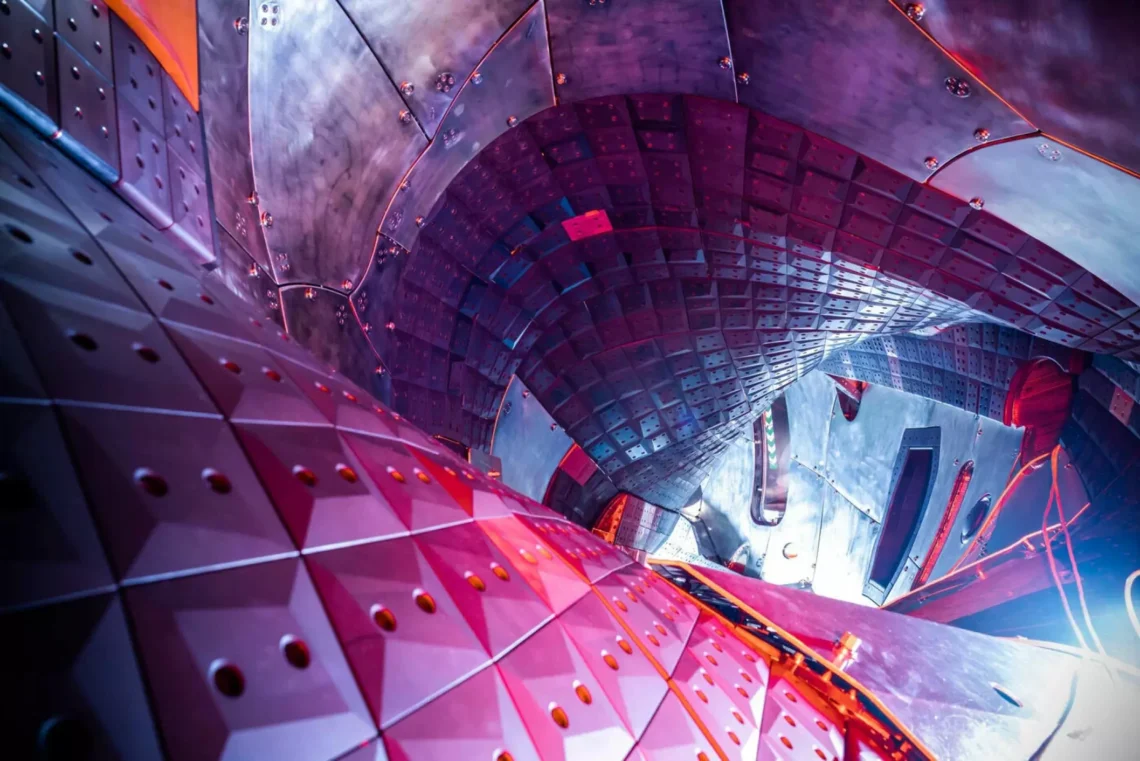
International control of fusion technologies is not as prominently spotlighted as that of fission reactor technologies—but that does not mean it is irrelevant. Compliance procedures for fusion reactors are generally more straightforward than for fission-based nuclear power plants. However, fusion ventures are entering new regulatory terrain, which introduces uncertainty. Meeting international obligations will need to be demonstrated in national licensing applications. Key Areas of Regulatory Attention 1) IAEA Nuclear Safeguards Fusion reactors do not fall under International Atomic Energy Agency (IAEA) nuclear safeguards per se, as they do not use uranium or plutonium. Although lithium-6 and tritium are technically usable in nuclear weapons, they lie outside the scope of traditional…
You May Also Like
Record Tritium Production for Nuclear Weapons
-
Record Tritium Production for Nuclear Weapons
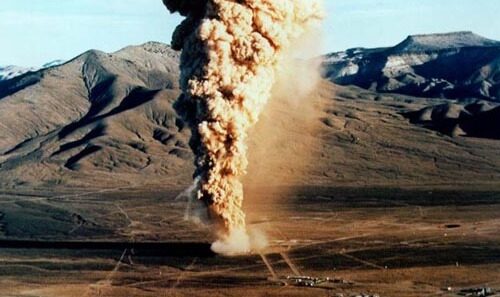
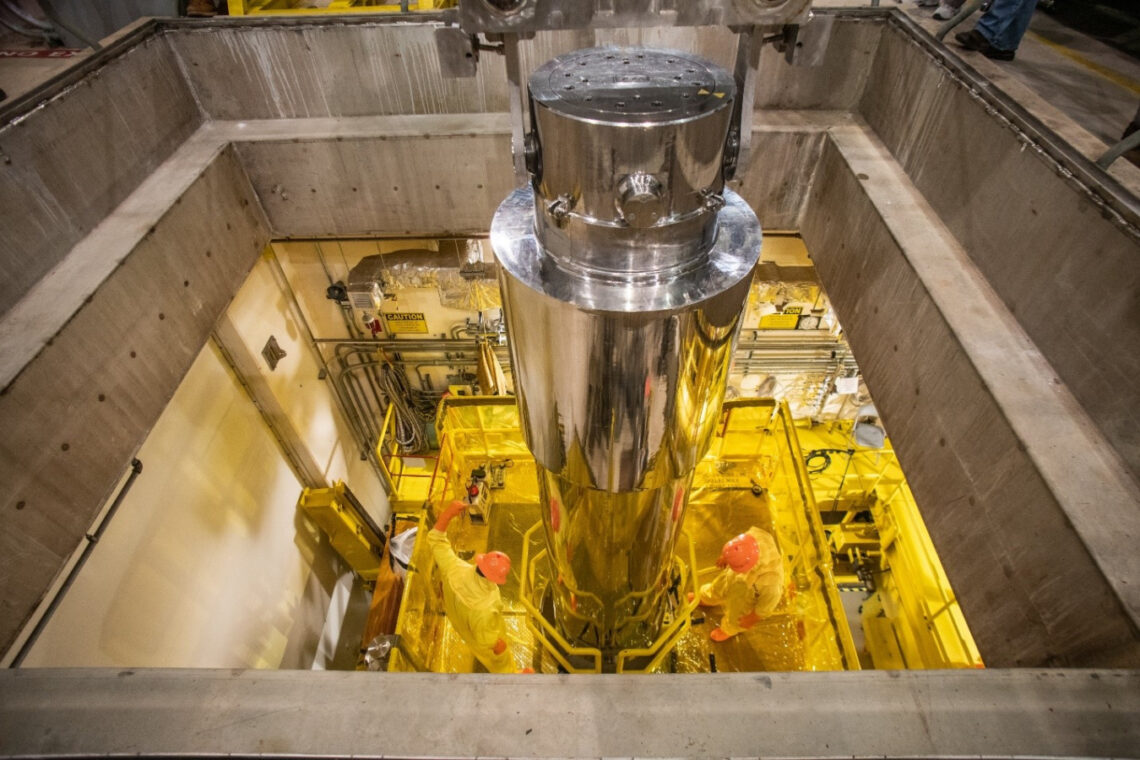
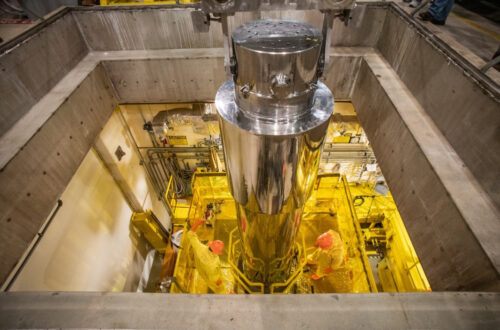
In January 2026, the US National Nuclear Security Administration (NNSA) announced the achievement of a significant milestone in completing a record amount of tritium produced for nuclear weapons. Tritium is used in nuclear weapons to boost the yield of the fission material of the primary stage. A mixture of tritium and deuterium gas is injected into the pit just before the nuclear chain reaction starts. Fission energy causes tritium and deuterium to fuse and create additional neutrons. Due to its 12.3-year half-life, tritium decays radioactively at the rate of 5.5 percent each year and must be replenished periodically in the warhead’s reservoir. Therefore, tritium needs to be produced unless stocks…
You May Also Like
International Control Converges on Fusion Energy Startups

Science for peace and international security